
34MM RUBBER FOLDABLE MICRSCOPE EYE GUARDS - BLACK by View Solutions Inc.(formerly BoliOptics)

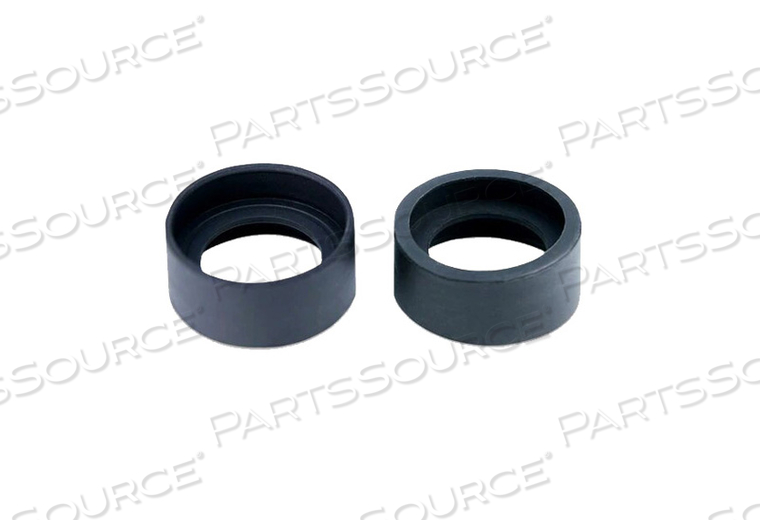
OEM#: SZ0501391134MM RUBBER FOLDABLE MICRSCOPE EYE GUARDS - BLACK by View Solutions Inc.(formerly BoliOptics)
No Warranty
Eyepiece is also called ocular. Eyepiece is a visual optical device that is used to observe an image formed by an objective lens after erect virtual image at the least distance of distinct vision (LDDV). For aberration, eyepiece is usually composed of several lenses that correct the residual aberrations produced during imaging by the objective lens. Usually, eyepiece has a relatively larger eld of view and angular magnication. The eyepiece is provided with a diaphragm in the middle of the upper and lower lenses, or at the lower end of the lower lens, wherein micrometer, reticle, pointer and other accessories are mounted. On the eyepiece there is engraved with the following marks: eyepiece type, magnication, eld of view number, and the like. For example, eyepiece is engraved with PL10X/22; PL represents plane eyepiece, or at-eld eyepiece, 10X is the magnication, 22 represents the eld of view, and the glasses mark represents high eye point eyepiece, and C represents compensating eyepiece. Generally, the outer diameter of the eyepiece of a compound microscope is 23.2 mm, and stereo microscope can have a much larger eld of view diameter because of its low magnication, so the outer diameter is mostly 30 mm (or 30.5 mm). The resolution capability of the microscope is determined by the numerical aperture of the objective lens, while the eyepiece plays only the magnication role. Therefore, for structures and details that cannot be distinguished by the objective lens, the eyepiece still cannot distinguish even if it is magnied again.
Independent Eye Guard
The main function of the eye guard is to block the ambient stray light, which makes it more clearer when observing through the eyepiece. In addition, the height of the eye guard is basically the eyepoint exit pupil distance of the eyepiece, and when the eye is close to the eye guard, it is the exact position for clear imaging.
- Eye Guard Installation: Independent Eye Guard
- Eye Guard Mount Size: 34x8mm
- Foldable Eye Guard
Eyepiece is also called ocular. Eyepiece is a visual optical device that is used to observe an image formed by an objective lens after erect virtual image at the least distance of distinct vision (LDDV). For aberration, eyepiece is usually composed of several lenses that correct the residual aberrations produced during imaging by the objective lens. Usually, eyepiece has a relatively larger eld of view and angular magnication. The eyepiece is provided with a diaphragm in the middle of the upper and lower lenses, or at the lower end of the lower lens, wherein micrometer, reticle, pointer and other accessories are mounted. On the eyepiece there is engraved with the following marks: eyepiece type, magnication, eld of view number, and the like. For example, eyepiece is engraved with PL10X/22; PL represents plane eyepiece, or at-eld eyepiece, 10X is the magnication, 22 represents the eld of view, and the glasses mark represents high eye point eyepiece, and C represents compensating eyepiece. Generally, the outer diameter of the eyepiece of a compound microscope is 23.2 mm, and stereo microscope can have a much larger eld of view diameter because of its low magnication, so the outer diameter is mostly 30 mm (or 30.5 mm). The resolution capability of the microscope is determined by the numerical aperture of the objective lens, while the eyepiece plays only the magnication role. Therefore, for structures and details that cannot be distinguished by the objective lens, the eyepiece still cannot distinguish even if it is magnied again.
Independent Eye Guard
The main function of the eye guard is to block the ambient stray light, which makes it more clearer when observing through the eyepiece. In addition, the height of the eye guard is basically the eyepoint exit pupil distance of the eyepiece, and when the eye is close to the eye guard, it is the exact position for clear imaging.
Eyepiece is also called ocular. Eyepiece is a visual optical device that is used to observe an image formed by an objective lens after erect virtual image at the least distance of distinct vision (LDDV). For aberration, eyepiece is usually composed of several lenses that correct the residual aberrations produced during imaging by the objective lens. Usually, eyepiece has a relatively larger eld of view and angular magnication. The eyepiece is provided with a diaphragm in the middle of the upper and lower lenses, or at the lower end of the lower lens, wherein micrometer, reticle, pointer and other accessories are mounted. On the eyepiece there is engraved with the following marks: eyepiece type, magnication, eld of view number, and the like. For example, eyepiece is engraved with PL10X/22; PL represents plane eyepiece, or at-eld eyepiece, 10X is the magnication, 22 represents the eld of view, and the glasses mark represents high eye point eyepiece, and C represents compensating eyepiece. Generally, the outer diameter of the eyepiece of a compound microscope is 23.2 mm, and stereo microscope can have a much larger eld of view diameter because of its low magnication, so the outer diameter is mostly 30 mm (or 30.5 mm). The resolution capability of the microscope is determined by the numerical aperture of the objective lens, while the eyepiece plays only the magnication role. Therefore, for structures and details that cannot be distinguished by the objective lens, the eyepiece still cannot distinguish even if it is magnied again.
Independent Eye Guard
The main function of the eye guard is to block the ambient stray light, which makes it more clearer when observing through the eyepiece. In addition, the height of the eye guard is basically the eyepoint exit pupil distance of the eyepiece, and when the eye is close to the eye guard, it is the exact position for clear imaging.
- Eye Guard Installation: Independent Eye Guard
- Eye Guard Mount Size: 34x8mm
- Foldable Eye Guard
Eyepiece is also called ocular. Eyepiece is a visual optical device that is used to observe an image formed by an objective lens after erect virtual image at the least distance of distinct vision (LDDV). For aberration, eyepiece is usually composed of several lenses that correct the residual aberrations produced during imaging by the objective lens. Usually, eyepiece has a relatively larger eld of view and angular magnication. The eyepiece is provided with a diaphragm in the middle of the upper and lower lenses, or at the lower end of the lower lens, wherein micrometer, reticle, pointer and other accessories are mounted. On the eyepiece there is engraved with the following marks: eyepiece type, magnication, eld of view number, and the like. For example, eyepiece is engraved with PL10X/22; PL represents plane eyepiece, or at-eld eyepiece, 10X is the magnication, 22 represents the eld of view, and the glasses mark represents high eye point eyepiece, and C represents compensating eyepiece. Generally, the outer diameter of the eyepiece of a compound microscope is 23.2 mm, and stereo microscope can have a much larger eld of view diameter because of its low magnication, so the outer diameter is mostly 30 mm (or 30.5 mm). The resolution capability of the microscope is determined by the numerical aperture of the objective lens, while the eyepiece plays only the magnication role. Therefore, for structures and details that cannot be distinguished by the objective lens, the eyepiece still cannot distinguish even if it is magnied again.
Independent Eye Guard
The main function of the eye guard is to block the ambient stray light, which makes it more clearer when observing through the eyepiece. In addition, the height of the eye guard is basically the eyepoint exit pupil distance of the eyepiece, and when the eye is close to the eye guard, it is the exact position for clear imaging.
Eyepiece is also called ocular. Eyepiece is a visual optical device that is used to observe an image formed by an objective lens after erect virtual image at the least distance of distinct vision (LDDV). For aberration, eyepiece is usually composed of several lenses that correct the residual aberrations produced during imaging by the objective lens. Usually, eyepiece has a relatively larger eld of view and angular magnication. The eyepiece is provided with a diaphragm in the middle of the upper and lower lenses, or at the lower end of the lower lens, wherein micrometer, reticle, pointer and other accessories are mounted. On the eyepiece there is engraved with the following marks: eyepiece type, magnication, eld of view number, and the like. For example, eyepiece is engraved with PL10X/22; PL represents plane eyepiece, or at-eld eyepiece, 10X is the magnication, 22 represents the eld of view, and the glasses mark represents high eye point eyepiece, and C represents compensating eyepiece. Generally, the outer diameter of the eyepiece of a compound microscope is 23.2 mm, and stereo microscope can have a much larger eld of view diameter because of its low magnication, so the outer diameter is mostly 30 mm (or 30.5 mm). The resolution capability of the microscope is determined by the numerical aperture of the objective lens, while the eyepiece plays only the magnication role. Therefore, for structures and details that cannot be distinguished by the objective lens, the eyepiece still cannot distinguish even if it is magnied again.
Independent Eye Guard
The main function of the eye guard is to block the ambient stray light, which makes it more clearer when observing through the eyepiece. In addition, the height of the eye guard is basically the eyepoint exit pupil distance of the eyepiece, and when the eye is close to the eye guard, it is the exact position for clear imaging.
- Eye Guard Installation: Independent Eye Guard
- Eye Guard Mount Size: 34x8mm
- Foldable Eye Guard
Eyepiece is also called ocular. Eyepiece is a visual optical device that is used to observe an image formed by an objective lens after erect virtual image at the least distance of distinct vision (LDDV). For aberration, eyepiece is usually composed of several lenses that correct the residual aberrations produced during imaging by the objective lens. Usually, eyepiece has a relatively larger eld of view and angular magnication. The eyepiece is provided with a diaphragm in the middle of the upper and lower lenses, or at the lower end of the lower lens, wherein micrometer, reticle, pointer and other accessories are mounted. On the eyepiece there is engraved with the following marks: eyepiece type, magnication, eld of view number, and the like. For example, eyepiece is engraved with PL10X/22; PL represents plane eyepiece, or at-eld eyepiece, 10X is the magnication, 22 represents the eld of view, and the glasses mark represents high eye point eyepiece, and C represents compensating eyepiece. Generally, the outer diameter of the eyepiece of a compound microscope is 23.2 mm, and stereo microscope can have a much larger eld of view diameter because of its low magnication, so the outer diameter is mostly 30 mm (or 30.5 mm). The resolution capability of the microscope is determined by the numerical aperture of the objective lens, while the eyepiece plays only the magnication role. Therefore, for structures and details that cannot be distinguished by the objective lens, the eyepiece still cannot distinguish even if it is magnied again.
Independent Eye Guard
The main function of the eye guard is to block the ambient stray light, which makes it more clearer when observing through the eyepiece. In addition, the height of the eye guard is basically the eyepoint exit pupil distance of the eyepiece, and when the eye is close to the eye guard, it is the exact position for clear imaging.