
6FT L RED/BLACK SNAP ON LEADS FOR PERIPHERAL NERVE STIMULATORS by David Scott Company

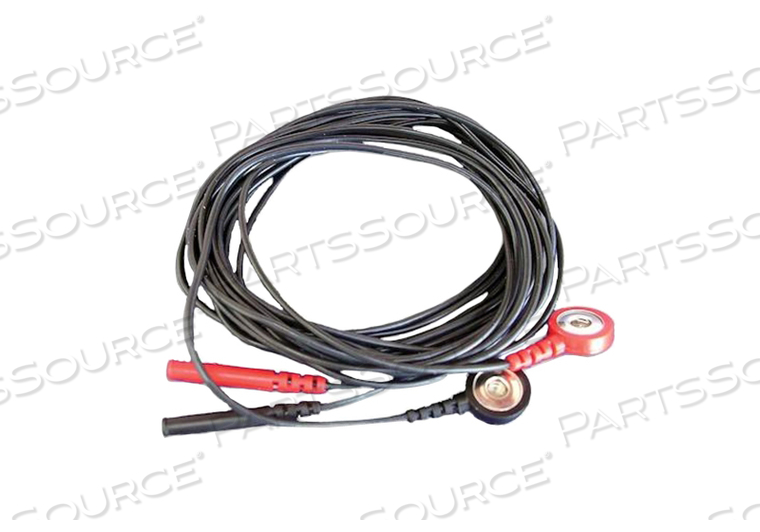
OEM#: 1000676FT L RED/BLACK SNAP ON LEADS FOR PERIPHERAL NERVE STIMULATORS by David Scott Company
Lead, Snap-On Type, Red/Black, 6ft Length, For Peripheral Nerve Stimulators
Peripheral nerve stimulation is a technique in which electrodes are placed along the course of peripheral nerves to control pain. These devices are an extremely safe, efficient, and effective way to ameliorate a variety of severe neuropathic pain conditions.
Once the electrodes are in place, they are turned on to administer a weak electrical current to the nerve. The patient experiences this as a pleasant tingling sensation. By stimulating nonpainful sensory pathway, the electrical current tricks the brain into turning off (or significantly attenuating) the painful signals. In this manner, pain relief occurs. In general, most patients are then able to reduce or discontinue altogether their pain medications.
Nerve stimulation is performed in a two-step process. First there is a temporary trial electrode. This is left in place for a week or so, so that the patient may determine if peripheral nerve stimulation is helpful. The electrode is connected to an external power supply that the patient controls. In the event that the stimulator does not help, it is removed. If it does help, the temporary electrode is replaced with a permanent electrode that is then connected to an internal battery pack, similar to a pacemaker battery. Once in place, the patient may then resume normal activities of daily living, including swimming, exercise and work.
Each of the following conditions may be treated with peripheral nerve stimulation:
- Complex Regional Pain Syndrome
- Diabetic Peripheral Neuropathy
- Ilioinguinal Neuralgia
- Intercostal Neuralgia
- Lateral Femoral Cutaneous Neuropathy (Meralgia Paresthetica)
- Low Back Pain
- Neck Pain
- Occipital Neuralgia
- 6 foot length
- 1 red 1 black lead
- Snap on leads
- Fits several model nerve stimulators
Peripheral nerve stimulation is a technique in which electrodes are placed along the course of peripheral nerves to control pain. These devices are an extremely safe, efficient, and effective way to ameliorate a variety of severe neuropathic pain conditions.
Once the electrodes are in place, they are turned on to administer a weak electrical current to the nerve. The patient experiences this as a pleasant tingling sensation. By stimulating nonpainful sensory pathway, the electrical current tricks the brain into turning off (or significantly attenuating) the painful signals. In this manner, pain relief occurs. In general, most patients are then able to reduce or discontinue altogether their pain medications.
Nerve stimulation is performed in a two-step process. First there is a temporary trial electrode. This is left in place for a week or so, so that the patient may determine if peripheral nerve stimulation is helpful. The electrode is connected to an external power supply that the patient controls. In the event that the stimulator does not help, it is removed. If it does help, the temporary electrode is replaced with a permanent electrode that is then connected to an internal battery pack, similar to a pacemaker battery. Once in place, the patient may then resume normal activities of daily living, including swimming, exercise and work.
Each of the following conditions may be treated with peripheral nerve stimulation:
- Complex Regional Pain Syndrome
- Diabetic Peripheral Neuropathy
- Ilioinguinal Neuralgia
- Intercostal Neuralgia
- Lateral Femoral Cutaneous Neuropathy (Meralgia Paresthetica)
- Low Back Pain
- Neck Pain
- Occipital Neuralgia
Peripheral nerve stimulation is a technique in which electrodes are placed along the course of peripheral nerves to control pain. These devices are an extremely safe, efficient, and effective way to ameliorate a variety of severe neuropathic pain conditions.
Once the electrodes are in place, they are turned on to administer a weak electrical current to the nerve. The patient experiences this as a pleasant tingling sensation. By stimulating nonpainful sensory pathway, the electrical current tricks the brain into turning off (or significantly attenuating) the painful signals. In this manner, pain relief occurs. In general, most patients are then able to reduce or discontinue altogether their pain medications.
Nerve stimulation is performed in a two-step process. First there is a temporary trial electrode. This is left in place for a week or so, so that the patient may determine if peripheral nerve stimulation is helpful. The electrode is connected to an external power supply that the patient controls. In the event that the stimulator does not help, it is removed. If it does help, the temporary electrode is replaced with a permanent electrode that is then connected to an internal battery pack, similar to a pacemaker battery. Once in place, the patient may then resume normal activities of daily living, including swimming, exercise and work.
Each of the following conditions may be treated with peripheral nerve stimulation:
- Complex Regional Pain Syndrome
- Diabetic Peripheral Neuropathy
- Ilioinguinal Neuralgia
- Intercostal Neuralgia
- Lateral Femoral Cutaneous Neuropathy (Meralgia Paresthetica)
- Low Back Pain
- Neck Pain
- Occipital Neuralgia
- 6 foot length
- 1 red 1 black lead
- Snap on leads
- Fits several model nerve stimulators
Peripheral nerve stimulation is a technique in which electrodes are placed along the course of peripheral nerves to control pain. These devices are an extremely safe, efficient, and effective way to ameliorate a variety of severe neuropathic pain conditions.
Once the electrodes are in place, they are turned on to administer a weak electrical current to the nerve. The patient experiences this as a pleasant tingling sensation. By stimulating nonpainful sensory pathway, the electrical current tricks the brain into turning off (or significantly attenuating) the painful signals. In this manner, pain relief occurs. In general, most patients are then able to reduce or discontinue altogether their pain medications.
Nerve stimulation is performed in a two-step process. First there is a temporary trial electrode. This is left in place for a week or so, so that the patient may determine if peripheral nerve stimulation is helpful. The electrode is connected to an external power supply that the patient controls. In the event that the stimulator does not help, it is removed. If it does help, the temporary electrode is replaced with a permanent electrode that is then connected to an internal battery pack, similar to a pacemaker battery. Once in place, the patient may then resume normal activities of daily living, including swimming, exercise and work.
Each of the following conditions may be treated with peripheral nerve stimulation:
- Complex Regional Pain Syndrome
- Diabetic Peripheral Neuropathy
- Ilioinguinal Neuralgia
- Intercostal Neuralgia
- Lateral Femoral Cutaneous Neuropathy (Meralgia Paresthetica)
- Low Back Pain
- Neck Pain
- Occipital Neuralgia
Peripheral nerve stimulation is a technique in which electrodes are placed along the course of peripheral nerves to control pain. These devices are an extremely safe, efficient, and effective way to ameliorate a variety of severe neuropathic pain conditions.
Once the electrodes are in place, they are turned on to administer a weak electrical current to the nerve. The patient experiences this as a pleasant tingling sensation. By stimulating nonpainful sensory pathway, the electrical current tricks the brain into turning off (or significantly attenuating) the painful signals. In this manner, pain relief occurs. In general, most patients are then able to reduce or discontinue altogether their pain medications.
Nerve stimulation is performed in a two-step process. First there is a temporary trial electrode. This is left in place for a week or so, so that the patient may determine if peripheral nerve stimulation is helpful. The electrode is connected to an external power supply that the patient controls. In the event that the stimulator does not help, it is removed. If it does help, the temporary electrode is replaced with a permanent electrode that is then connected to an internal battery pack, similar to a pacemaker battery. Once in place, the patient may then resume normal activities of daily living, including swimming, exercise and work.
Each of the following conditions may be treated with peripheral nerve stimulation:
- Complex Regional Pain Syndrome
- Diabetic Peripheral Neuropathy
- Ilioinguinal Neuralgia
- Intercostal Neuralgia
- Lateral Femoral Cutaneous Neuropathy (Meralgia Paresthetica)
- Low Back Pain
- Neck Pain
- Occipital Neuralgia
- 6 foot length
- 1 red 1 black lead
- Snap on leads
- Fits several model nerve stimulators
Peripheral nerve stimulation is a technique in which electrodes are placed along the course of peripheral nerves to control pain. These devices are an extremely safe, efficient, and effective way to ameliorate a variety of severe neuropathic pain conditions.
Once the electrodes are in place, they are turned on to administer a weak electrical current to the nerve. The patient experiences this as a pleasant tingling sensation. By stimulating nonpainful sensory pathway, the electrical current tricks the brain into turning off (or significantly attenuating) the painful signals. In this manner, pain relief occurs. In general, most patients are then able to reduce or discontinue altogether their pain medications.
Nerve stimulation is performed in a two-step process. First there is a temporary trial electrode. This is left in place for a week or so, so that the patient may determine if peripheral nerve stimulation is helpful. The electrode is connected to an external power supply that the patient controls. In the event that the stimulator does not help, it is removed. If it does help, the temporary electrode is replaced with a permanent electrode that is then connected to an internal battery pack, similar to a pacemaker battery. Once in place, the patient may then resume normal activities of daily living, including swimming, exercise and work.
Each of the following conditions may be treated with peripheral nerve stimulation:
- Complex Regional Pain Syndrome
- Diabetic Peripheral Neuropathy
- Ilioinguinal Neuralgia
- Intercostal Neuralgia
- Lateral Femoral Cutaneous Neuropathy (Meralgia Paresthetica)
- Low Back Pain
- Neck Pain
- Occipital Neuralgia